
Garden Tips
Protecting Plants from Frost: Covers, Mulch & Timing
Oct
Simple, Practical Ways to Keep Your Garden Growing Strong
When the seasons shift and chilly nights start to arrive, it doesn’t take much frost to cause trouble in the garden. A thin layer of ice can damage tender plants, stress perennials, and undo weeks of growth. But with a little preparation — and some simple tools — you can keep your plants safe and thriving even when temperatures dip.
🌱 Why Frost Protection Matters
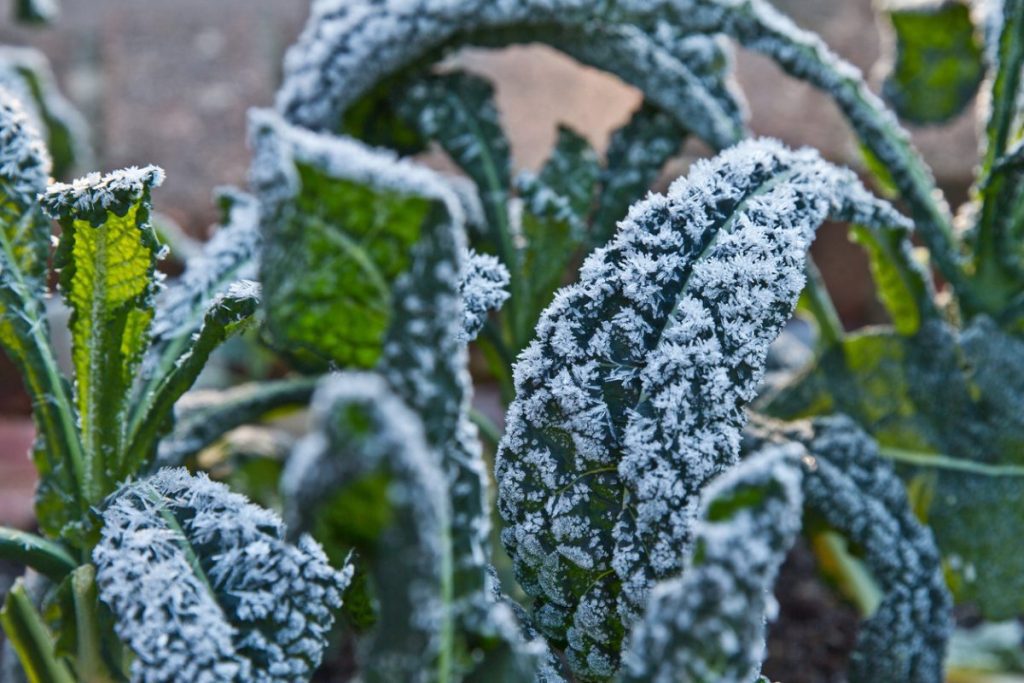
Frost happens when the temperature drops near or below freezing, causing moisture on leaves and stems to crystallize. These ice crystals rupture plant cells, leaving behind blackened leaves or limp stems. Young seedlings and blooming annuals are especially vulnerable, but even hardy perennials benefit from a little extra protection when cold snaps hit.
A few minutes spent preparing can mean days or weeks of extra color, fresh greens, and healthy plants in your garden.
🏡 Covers: The Easiest Way to Trap Warmth
One of the simplest frost defenses is to cover plants overnight when frost is expected. Use lightweight, breathable materials like frost cloths, old sheets, or row covers. Avoid plastic that touches the foliage — it can trap moisture and cause damage.
How to do it:
-
Drape covers so they reach the ground to trap warmth.
-
Anchor the edges with rocks or garden stakes.
-
Remove covers the next morning once the air warms above freezing.
For delicate flowers or vegetables, try using hoops or stakes under your fabric to create a mini “tent” that keeps cold material off the leaves.
🍂 Mulch: Nature’s Insulation Blanket
Mulch does more than make your beds look neat — it protects roots from sudden temperature swings and helps retain warmth. Apply a 2–4 inch layer of shredded leaves, straw, or bark mulch around the base of plants.
-
For perennials, mulch insulates roots and crowns through freeze-thaw cycles.
-
For vegetables and annuals, mulch helps prevent soil heaving and retains moisture.
As the season progresses, a good mulch layer also improves soil health — a win for both plants and pollinators in your yard.
⏰ Timing: The Key to Success
Good frost protection comes down to timing. Watch the weather closely, especially when nighttime temperatures dip into the mid-30s.
-
Cover plants before sunset, while the soil still holds daytime warmth.
-
Uncover mid-morning, once frost has melted.
-
Move potted plants to sheltered spots, like porches or garages, during cold stretches.
A quick check before bedtime can make all the difference — especially during early frosts in fall or late cold spells in spring.
🌼 Quick Takeaway
Protecting your plants from frost doesn’t need to be complicated.
Just remember: Cover, Mulch, and Timing.
A few small steps help preserve beauty, productivity, and life in your garden long after the first chill.
❓FAQ
Q: What temperature can cause frost damage?
A: Light frost can form at 32°F, but many tender plants start showing damage below 36°F.
Q: Can I use plastic covers?
A: Only if the plastic doesn’t touch the plants — it can transfer cold and burn leaves.
Q: Should I water before a frost?
A: Yes! Moist soil holds more heat than dry soil, helping protect roots.
Q: When should I remove the covers?
A: Once temperatures rise above freezing and frost has melted — usually by mid-morning.
🌻 At Flower Power Farms
At Flower Power Farms, we believe every gardener should feel confident — even when the weather turns unpredictable. Preparing for frost is just one more way to nurture the connection between plants, people, and the changing seasons. Keep growing, learning, and celebrating every phase of your garden’s journey.