
Garden Tips
Top 10 Early-Blooming Plants That Support Bees & Butterflies
Apr
At Flower Power Farms, spring starts with fresh color, homegrown plants, and the simple joy of getting back outside. Their East Windsor garden center highlights homegrown annuals, perennials, herbs, and vegetables, backed by a team with decades of experience and a “The Dirt Life™” approach that encourages gardeners to dig in and grow with confidence.
One of the best ways to kick off the season is by planting early-blooming varieties that help feed pollinators when nectar is still limited. Bees begin foraging on mild spring days, and butterflies benefit from early flowers as gardens wake up. That makes these plants a smart seasonal feature for shoppers looking to add beauty and ecological value at the same time.
Here are 10 early-blooming plants worth spotlighting this spring at Flower Power Farms:
1. Crocus
Among the first flowers to appear, crocus offers an important early nectar source for bees and adds instant spring color.
2. Snowdrops
These delicate white blooms show up very early and help signal the start of pollinator season.
3. Hellebores
A standout for late winter into early spring, hellebores provide long-lasting blooms when not much else is flowering.
4. Lungwort (Pulmonaria)
This shade-friendly perennial is especially useful for early bees and brings unique pink-to-blue blooms to spring beds.
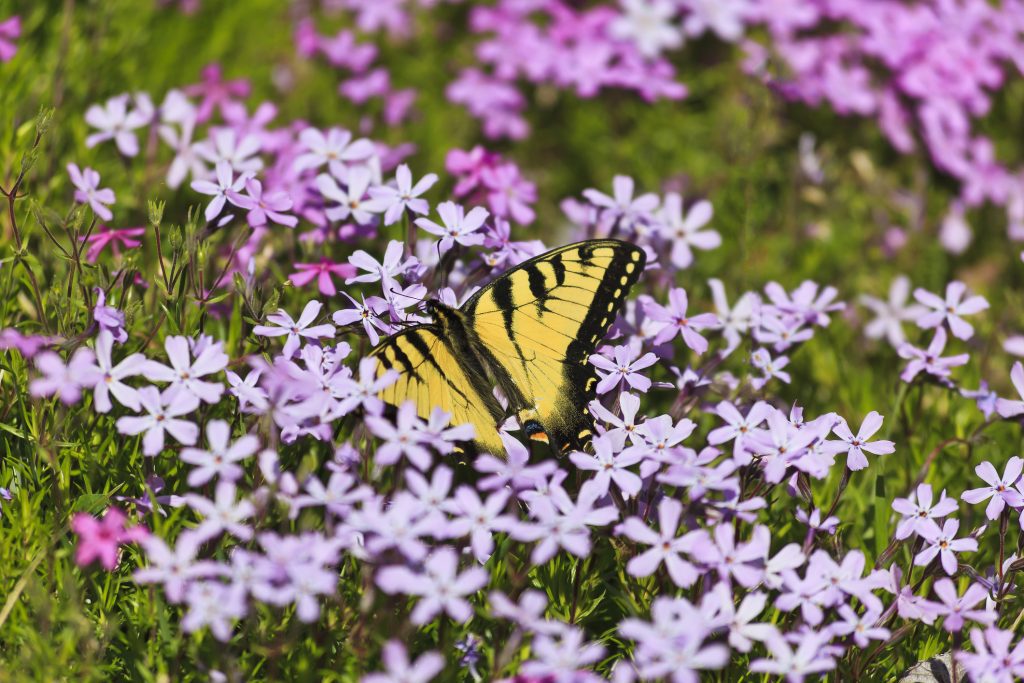
5. Creeping Phlox
A colorful groundcover that attracts early pollinators and works beautifully along edges, slopes, and rock gardens.
6. Virginia Bluebells
A spring favorite with soft blue flowers that supports pollinators while adding a natural woodland look.
7. Columbine
Its distinctive blooms draw in bees and other pollinators while adding texture and movement to spring displays.
8. Wild Geranium
An excellent early perennial for naturalized spaces and pollinator-friendly gardens.
9. Willow
If customers have room for shrubs or trees, willow catkins are one of the earliest and most valuable pollen sources for bees.
10. Grape Hyacinth
Compact, colorful, and easy to use in borders and containers, these blooms provide another helpful early snack for pollinators.
For Flower Power Farms, this kind of spring plant story fits naturally. The garden center already emphasizes knowledgeable guidance, seasonal inspiration, and plants grown on-site in East Windsor. Promoting early bloomers as both beautiful and beneficial gives customers another reason to shop early and plant with purpose.
Whether customers are refreshing beds, planting containers, or building a pollinator-friendly yard from the ground up, early-blooming plants are a strong way to start the season. Visit Flower Power Farms in East Windsor for spring-ready plants, expert advice, and more ways to live The Dirt Life™. Download the Flower Power Farms app at apjl.app/flowerpower and use promo code WELCOME for $20 off $100.
FAQ
What makes early-blooming plants important for pollinators?
They provide nectar and pollen at a time when food sources are still limited in early spring.
Are these plants good for Connecticut gardens?
Yes. Many early bloomers are well suited for Northeast spring landscapes and help gardens come alive after winter.
Can I mix these into containers and landscape beds?
Yes. Plants like creeping phlox, grape hyacinth, and hellebores work especially well in mixed spring displays.
Why does this topic fit Flower Power Farms?
Flower Power Farms emphasizes homegrown plants, expert guidance, and helping customers grow with confidence in East Windsor.