

Garden Tips
Winterize Your Garden: The Essential End-of-Season Checklist
Nov
Prepare your garden for winter and set the stage for a healthy, thriving spring.
As the growing season winds down, your garden deserves a little TLC before the frost sets in. Taking time now to clean up, cut back, and protect plants and equipment will make a big difference come spring. Here’s your essential end-of-season checklist to keep your garden healthy and ready for next year’s growth.
1. Cut Back Perennials and Clean Up Beds
After the first frost, tidy up spent perennials like daylilies, hostas, and peonies by cutting them down to a few inches above the ground. Remove dead foliage and weeds to prevent pests and diseases from overwintering in your beds. For plants with winter interest—such as coneflowers, ornamental grasses, and seed-bearing perennials—leave them standing to provide texture and food for birds.
Expert Tip: Compost healthy clippings, but discard any diseased leaves or stems.
2. Protect Tender Plants
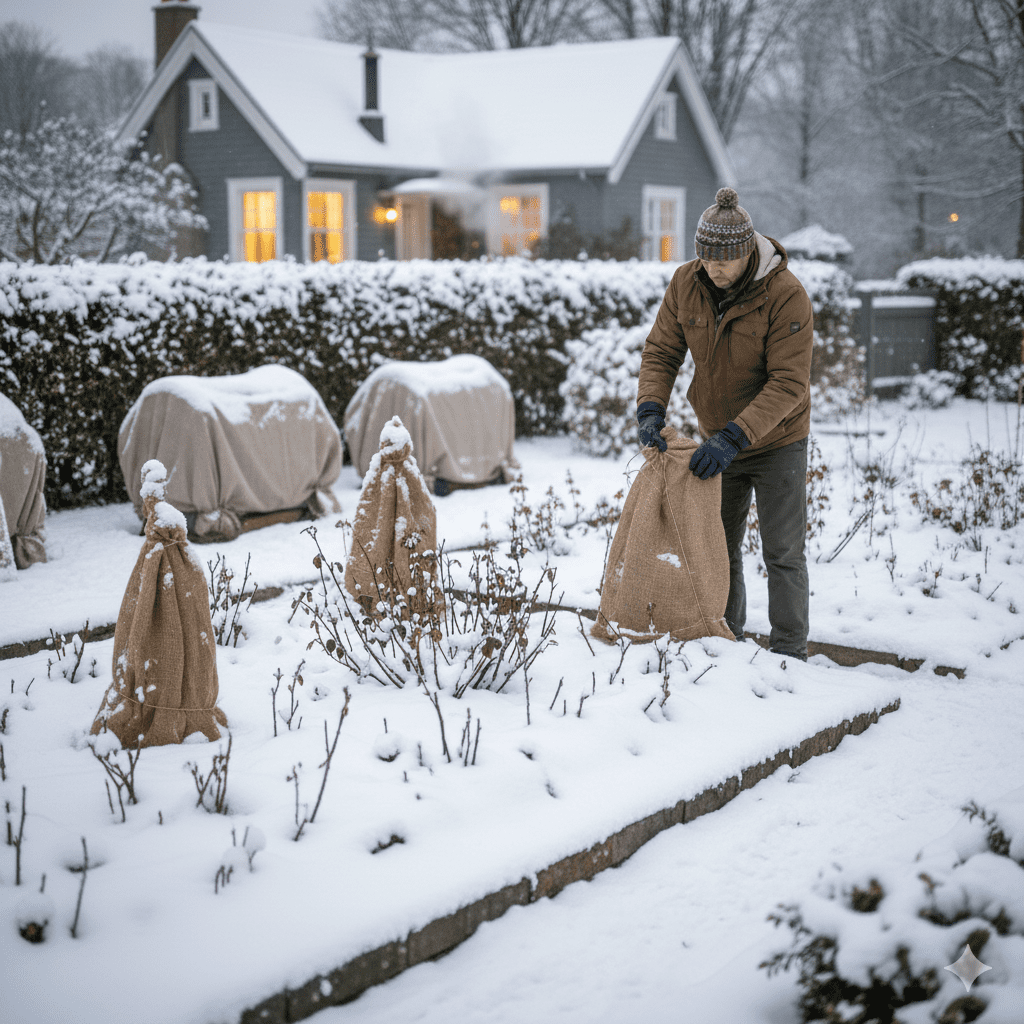
Some perennials, shrubs, and herbs appreciate a little extra warmth through the cold months. Apply a thick layer of mulch or shredded leaves around the base to insulate roots. If you have potted plants that aren’t cold-hardy, move them into a protected area like a garage, shed, or sunroom.
Bonus Idea: Burlap wraps are perfect for protecting boxwoods, hydrangeas, and other evergreens from harsh winter winds.
3. Drain Hoses and Irrigation Systems
Before temperatures dip below freezing, disconnect and drain your garden hoses, drip lines, and sprinklers. Store them indoors or in a shed to prevent cracking. Turn off outdoor water sources to avoid frozen pipes.
Quick Tip: Store hose nozzles, timers, and small connectors together in a labeled bin—ready to go next spring.
4. Clean and Store Tools
Clean soil and sap from pruners, shovels, and trowels. Lightly oil metal surfaces to prevent rust, and sharpen blades so they’re ready for spring. Storing clean tools not only extends their lifespan but also keeps your shed or garage organized through the off-season.
5. Protect Outdoor Pots and Garden Decor
Terra cotta and ceramic pots can crack in freezing temperatures. Empty soil from pots, clean them, and store them indoors or upside down in a protected area. If you prefer to leave containers outside, choose frost-resistant materials and elevate them slightly for drainage.
6. Prep the Soil for Next Season
Once your garden is cleared, take the opportunity to enrich your soil. Spread a layer of compost, shredded leaves, or organic matter to feed beneficial microbes all winter long. By spring, your soil will be easier to work and bursting with nutrients.
7. Plan Ahead for Spring
As you wrap up your garden chores, make notes about what worked and what you’d like to change next year. Winter is the perfect time to dream up new layouts, plan seed orders, and refresh your landscape design.
Your Garden’s Winter Rest = Next Year’s Success
A well-prepared garden weathers the winter beautifully and rewards you with strong, healthy plants in spring. Taking these simple steps now saves time and energy later—so you can enjoy a stress-free start to the next growing season.
🌿 Visit Flower Power Farms for seasonal garden care essentials, winter greens, and local inspiration for every season.
👉 flowerpowerfarms.com